

Why Evisu Jeans Became a Streetwear Icon


Why Evisu Jeans Became a Streetwear Icon is a story about much more than premium denim. EVISU combined Japanese craftsmanship, vintage-inspired selvedge construction, a hand-painted seagull logo, distinctive fits, and strong connections to street and hip-hop culture.
The result was unusual: a relatively small Japanese denim label became recognizable to American consumers who had never considered Japanese denim before.
Founded in Osaka in 1991 by Hidehiko Yamane, EVISU began with a focus on carefully made denim rather than mass production. The brand’s early output was reportedly around 14 pairs per day, with the signature seagull painted by hand.
That combination of scarcity, craftsmanship, and unmistakable design gave EVISU something many jeans brands struggle to create: a visual identity people could recognize instantly.
Why Did Evisu Jeans Become So Popular?
EVISU became popular because it solved two problems at the same time. Denim enthusiasts wanted exceptional construction and heritage, while streetwear consumers wanted clothing that communicated individuality.
EVISU offered both.
Its jeans looked different from mainstream denim, but their appeal was not based on graphics alone. The brand built its reputation around Japanese denim craftsmanship, vintage-inspired production, distinctive silhouettes, and details that were deliberately visible.
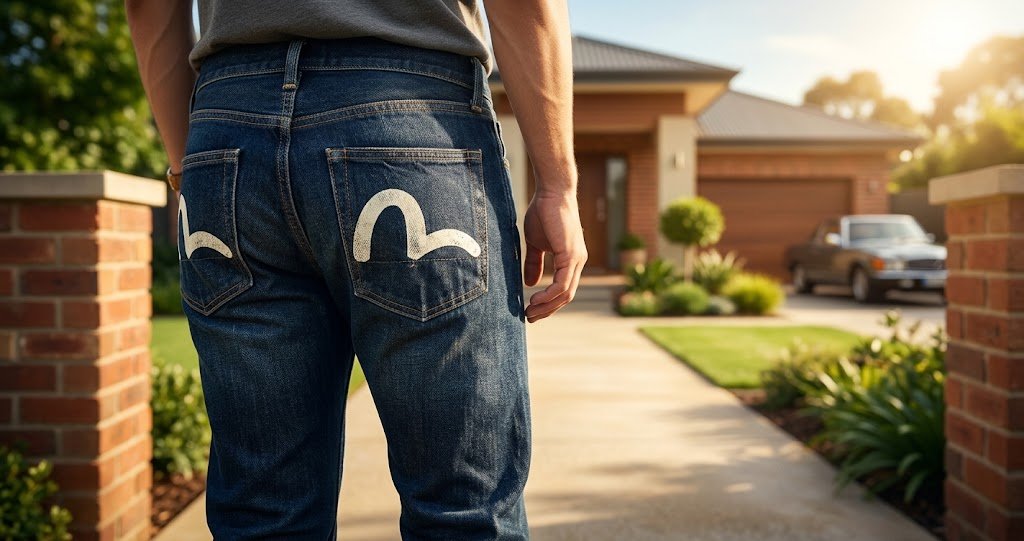
The seagull logo became the shortcut. You could recognize a pair of EVISU jeans from across a room.
That matters in streetwear because clothing is often part of identity. A small embroidered logo can communicate brand affiliation, but EVISU’s large painted pocket design made the jeans themselves part of the statement.
1. EVISU Started With Japanese Denim Craftsmanship
To understand why EVISU became a streetwear icon, you first need to understand the Japanese denim movement that existed before and around its creation.
Postwar Japan developed a deep fascination with American clothing, particularly vintage denim and workwear. This interest eventually became part of the broader Ametora, or American Traditional, fashion movement. Japanese designers and denim specialists studied American garments and began reproducing their construction with extraordinary attention to detail.
EVISU emerged from this environment.
Hidehiko Yamane founded the company in Osaka in 1991. The official EVISU history says the brand was named after Ebisu, the Japanese god of prosperity.
Rather than competing primarily on speed or low prices, EVISU emphasized the value of making denim carefully.
Why Selvedge Denim Matters
Selvedge denim is woven with a self-finished edge, traditionally associated with shuttle-loom production. For denim enthusiasts, this construction is important because it connects modern jeans with older manufacturing traditions.
EVISU became part of the Japanese selvedge revival by treating denim construction as something worth appreciating rather than simply a material used to make everyday trousers.
The brand itself describes EVISU as an original Japanese denim label associated with premium-quality Japanese selvedge denim and custom distressing.
This created an important distinction:
EVISU jeans were designed to be worn, but they were also designed to be noticed.
2. The Hand-Painted Seagull Changed Everything
If Japanese craftsmanship established EVISU’s credibility, the seagull logo made it famous.
Early EVISU jeans featured a hand-painted seagull mark across the rear pockets. The official brand history confirms that the early jeans were individually hand-painted with the now-famous logo.
The interesting part is that the logo was not initially conceived as the enormous cultural symbol it eventually became.
According to an account published by NSS Magazine, Yamane described the paint as partly a joke and did not expect people to buy the jeans because of it. The same source notes that early production did not exceed about 14 pairs per day.
That is one of the great ironies of EVISU’s history.
A detail that could have remained a quirky design experiment became one of the most recognizable marks in premium denim.
Why the Seagull Worked So Well
The seagull had three advantages:
- It was instantly recognizable.
- It looked different from conventional denim branding.
- It made craftsmanship visible.
Most quality differences between jeans are difficult to see when someone is wearing them. Fabric weight, weaving methods, stitching, and construction can be appreciated by enthusiasts, but they are not obvious from several feet away.
The seagull solved that problem.
It turned invisible craftsmanship into visible identity.
That is one of the clearest reasons why EVISU moved from denim culture into streetwear.
3. EVISU Made Japanese Denim Feel Exclusive
Another major reason for EVISU’s popularity was scarcity.
When a brand produces limited quantities and emphasizes labor-intensive details, consumers naturally perceive the product differently from mass-market jeans.
Early EVISU production was extremely small. The company’s own material states that its initial production was around 14 pairs per day, each receiving the signature hand-painted seagull.
This is an important detail because it explains the brand’s early premium positioning better than simply calling EVISU “luxury.”
The jeans were not valuable only because a marketing department said they were exclusive. The production process itself was slower and more hands-on.
That scarcity also appealed to collectors.
Japanese denim enthusiasts could appreciate the fabric and construction, while fashion consumers could appreciate the distinctive branding. EVISU therefore occupied an unusual space between heritage denim and fashion statement.

4. How EVISU Traveled From Osaka to America
EVISU’s global success did not happen overnight.
One of the most interesting parts of its history is that Britain helped connect the Japanese brand with Western fashion before the American market fully embraced it.
NSS Magazine reports that EVISU’s relationship with Hong Kong businessman Peter Caplowe helped the brand reach the United Kingdom. The jeans appeared in London stores and became associated with the city’s club culture, including acid house, garage, and hip-hop scenes during the 1990s.
This route matters because it shows that streetwear influence was not simply a one-way journey from America to Japan.
It was circular.
American workwear influenced Japanese denim enthusiasts. Japanese designers reconstructed and refined those ideas. EVISU then moved into European club culture before becoming increasingly visible in America.
That cross-cultural exchange is a major part of the brand’s appeal.
EVISU and the American Market
For American consumers, EVISU represented something new: Japanese denim that was not merely copying American jeans but presenting an entirely different interpretation of what premium denim could look like.
NSS notes that EVISU became one of the first Japanese denim brands to reach American consumers beyond the specialist niche and helped establish the idea that high-end denim could come from Japan.
EVISU Jeans for Men: Complete Buying Guide
5. Hip-Hop Turned EVISU Into a Streetwear Symbol
This is probably the biggest answer to why Evisu jeans became a streetwear icon.
EVISU entered a fashion environment where hip-hop artists were increasingly using clothing to communicate success, individuality, and exclusivity.
Premium denim fit naturally into that culture.
By the early 2000s, artists including Jay-Z and Lil Wayne were associated with EVISU. Complex has documented the brand’s connections with major rappers and explains how references in hip-hop helped push the jeans into streetwear culture.
The impact was bigger than celebrity endorsement.
When an artist wears an ordinary pair of jeans, the audience may notice the outfit.
When an artist wears highly recognizable EVISU jeans, the jeans themselves become part of the visual language.
The oversized silhouettes and bold rear-pocket designs worked especially well with early-2000s hip-hop fashion, where relaxed fits and statement pieces were highly influential.
This created a powerful loop:
Premium denim → celebrity visibility → cultural recognition → consumer demand → streetwear status.
That is how EVISU moved beyond denim enthusiasts.
6. The Baggy Fit Helped EVISU Match Streetwea
EVISU’s visual identity was important, but its silhouettes mattered just as much.
Streetwear has repeatedly moved between slim, relaxed, loose, and oversized proportions. EVISU’s wider and more relaxed denim silhouettes fit naturally into the oversized aesthetic that became prominent in late-1990s and early-2000s street culture.
The connection is still visible today.
In 2022, EVISU revived its 2000 Baggy Fit Denim, a style associated with its early-2000s era. Hypebeast reported that the updated version retained the brand’s recognizable rear-pocket branding while offering an even looser structure.
This revival was strategically important.
Instead of treating its archive as something old, EVISU could use its own history to participate in the renewed interest in Y2K fashion.
For today’s American streetwear consumer, that makes vintage-inspired EVISU particularly relevant.
7. EVISU Turned the Jeans Into the Statement Piece
Many fashion brands put their strongest graphics on T-shirts, jackets, or hoodies.
EVISU did something different: it made the jeans themselves the statement.
The seagull was only the beginning. Over time, EVISU developed larger graphic treatments, embroidery, custom details, Daicock designs, and more expressive denim.
The brand’s current U.S. website still separates denim into multiple silhouettes, including slim, taper, regular, relaxed, loose, and wide-leg fits.
This variety matters because it allows the recognizable EVISU aesthetic to work with different generations of streetwear.
A person who prefers a classic regular fit can wear EVISU without looking overly experimental. Someone interested in contemporary oversized fashion can choose a relaxed, loose, or wide-leg silhouette.
In other words, EVISU’s identity became flexible without becoming anonymous.
8. Why Evisu Jeans Still Matter in 2026
A common problem with fashion brands is that a design becomes popular, disappears, and eventually feels dated.
EVISU has managed something more difficult: it has repeatedly returned to its own visual history while adapting it to current fashion.
The renewed interest in Y2K clothing has helped bring attention back to early-2000s denim proportions. At the same time, collaborations continue to introduce EVISU to younger audiences.
For example, Palace collaborated with EVISU on a 2024 collection that used the Japanese brand’s denim heritage alongside London’s streetwear identity. Hypebeast described the collaboration as drawing on EVISU’s influence on 1990s style and oversized denim.
That is significant.
EVISU is no longer dependent on one generation of rappers or denim collectors. Its cultural relevance can be refreshed through collaborations, archival silhouettes, and changing streetwear trends.

9. What Makes EVISU Different From Regular Designer Jeans?
EVISU’s appeal comes from the combination of several elements rather than one feature.
Craftsmanship
Japanese denim production has a strong reputation for attention to construction, fabric, and finishing. EVISU built its identity around that tradition.
Recognizable Branding
The seagull logo is arguably EVISU’s most important visual asset. It transforms a basic five-pocket jean into an instantly identifiable fashion piece.
Cultural History
EVISU has connections to Japanese denim enthusiasts, London club culture, American hip-hop, and modern streetwear.
Distinctive Fits
From traditional silhouettes to relaxed and wide-leg designs, EVISU has repeatedly adapted its denim shapes to changing fashion preferences.
Collectibility
The combination of recognizable details, historical significance, and limited or distinctive releases makes certain EVISU pieces attractive to collectors.
This is why calling EVISU simply a “Japanese jeans brand” misses the bigger story.
It became a cultural bridge between craftsmanship and self-expression.
10. Why the EVISU Story Is Bigger Than the Seagull Logo
The logo is easy to remember, but it is not the entire reason EVISU succeeded.
The deeper story is about reinterpretation.
Japan took inspiration from American denim heritage and approached it with its own obsession with craftsmanship. EVISU then added humor, exaggerated graphics, distinctive fits, and cultural confidence.
That combination gave the brand an identity that was difficult to imitate.
The official EVISU history describes the brand as helping revive interest in vintage denim and says its commitment to high-quality products remained central despite its international success.
That distinction is important.
EVISU did not become famous simply because it made expensive jeans.
It became famous because the product had a story people could see and recognize.
The hand-painted mark represented the craftsmanship.
The denim represented the heritage.
The oversized silhouettes represented street culture.
And hip-hop helped transform all of those elements into cultural currency.
Is EVISU Still a Streetwear Brand?
Yes, but it is better understood as a denim heritage brand with strong streetwear influence.
EVISU now offers much more than jeans, including menswear, womenswear, shirts, knitwear, accessories, and eyewear. Its current U.S. site also continues to feature dedicated denim collections and multiple fits.
Its streetwear reputation, however, remains closely connected to denim.
That is actually one of EVISU’s strengths.
The brand can participate in modern streetwear without abandoning the product that made it famous.
The Real Reason Why Evisu Jeans Became a Streetwear Icon
If you reduce the entire history to one sentence, the answer is simple:
EVISU became a streetwear icon because it made high-quality Japanese denim visually distinctive, culturally desirable, and easy to recognize.
Its success was built layer by layer:
- Japanese denim craftsmanship gave the brand credibility.
- The hand-painted seagull gave it an unmistakable identity.
- Limited early production created scarcity and collector appeal.
- London club culture helped introduce EVISU to Western audiences.
- Hip-hop artists turned the jeans into a status symbol.
- Baggy and relaxed fits connected naturally with streetwear.
- Y2K fashion and modern collaborations introduced the brand to new consumers.
The most interesting lesson is that EVISU did not separate craftsmanship from streetwear.
It combined them.
That is why the brand could appeal to a denim collector studying selvedge construction and a streetwear fan looking for a bold pair of jeans.
In fashion, that kind of crossover is rare.
And it is the central reason EVISU remains one of the most recognizable names in Japanese denim.
For readers looking to explore the brand further:
Best EVISU Jeans for Men
Conclusion
EVISU’s journey from a small Osaka denim operation to an internationally recognized streetwear name shows how powerful authenticity can be when it is visible in the product.
The brand started with Japanese craftsmanship and a fascination with vintage denim. Then came the hand-painted seagull, distinctive silhouettes, international distribution, London club culture, hip-hop, and eventually the Y2K revival.
Each stage added another layer to the identity.
That is why Why Evisu Jeans Became a Streetwear Icon is ultimately not just a question about jeans. It is a question about how clothing becomes culture.
EVISU succeeded because its denim did more than fit into fashion trends—it created an instantly recognizable visual language that people could wear.
Want to explore more EVISU history and denim styles? Start with our [INTERNAL LINK: Complete EVISU Jeans Guide].
Suggested authoritative external resources
- EVISU Official History
- EVISU Official About Us
- NSS Magazine: Evisu and Japanese Denim History
- Complex: Evisu and Hip-Hop Culture
1. Why did Evisu jeans become popular?
EVISU became popular because it combined premium Japanese denim craftsmanship with a distinctive hand-painted seagull logo, bold designs, recognizable fits, and strong connections to hip-hop and streetwear culture.
2. What makes Evisu jeans different?
EVISU jeans stand out through their Japanese denim heritage, distinctive rear-pocket seagull designs, craftsmanship, unique silhouettes, and strong cultural history in streetwear and hip-hop.
3. Why is the Evisu seagull logo famous?
The seagull became famous because it was originally hand-painted on the rear pockets and created an instantly recognizable visual identity. Unlike subtle branding, the large curved mark made EVISU jeans identifiable from a distance.
4. Are Evisu jeans still popular in 2026?
Yes. EVISU continues to maintain a strong presence in premium denim and streetwear, while archival silhouettes, Y2K fashion, and modern collaborations have helped introduce its aesthetic to newer audiences.
5. Is Evisu a Japanese brand?
Yes. EVISU was founded in Osaka, Japan, in 1991 by Hidehiko Yamane. The brand was named after Ebisu, the Japanese god of prosperity.
6. Why are Evisu jeans expensive?
Their premium positioning is connected to Japanese denim craftsmanship, distinctive finishing, detailed designs, brand heritage, and the labor-intensive methods associated with the brand’s early production.